
The Allure of Casino Games
The thrill of casino games lies in their inherent unpredictability and the potential for significant rewards. This uncertainty creates a unique psychological experience, drawing players into a world where chance reigns supreme. The very nature of games like slots, poker, and blackjack can trigger the brain’s reward system, releasing dopamine, the chemical associated with pleasure and satisfaction. Additionally, many enjoy playing online pokies, which also heighten excitement and foster a desire to return and play again, creating a cycle of engagement that many find hard to resist.
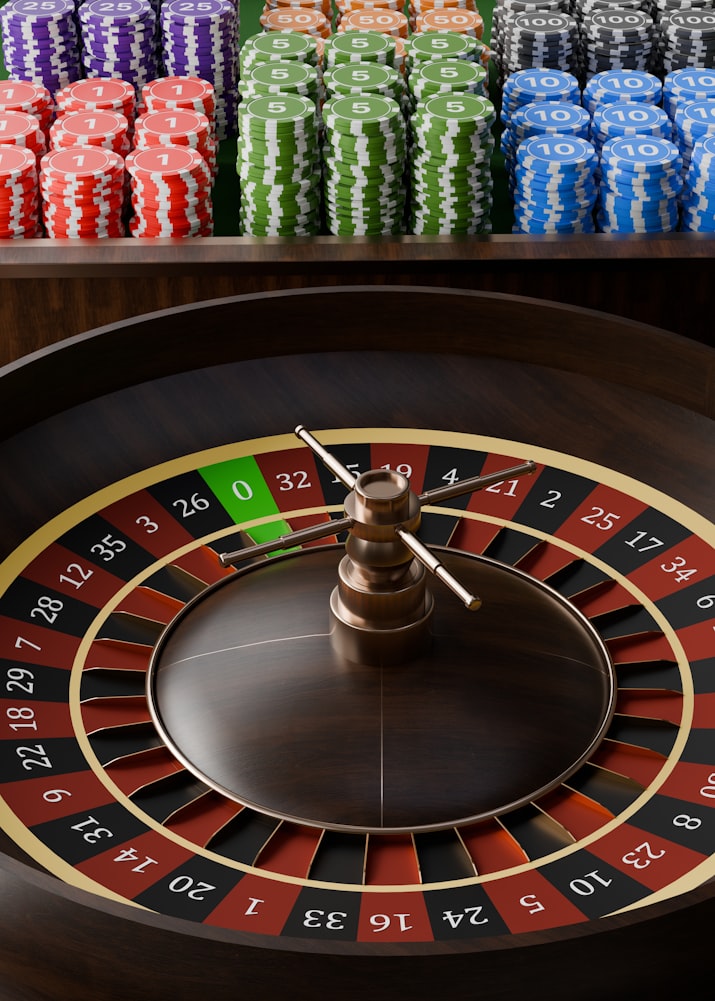
Moreover, the environment of a casino plays a crucial role in this allure. The vibrant lights, sounds of coins clinking, and the ambiance of excitement create an immersive experience that encourages players to lose track of time and rational thought. This sensory overload, combined with the enticing potential for monetary gain, makes casino games a captivating escape from reality, appealing to a wide range of individuals seeking both entertainment and the opportunity to win big.
The Role of Risk and Reward
At the heart of casino gaming lies the concept of risk versus reward. Players often find themselves grappling with the possibility of loss against the thrill of winning. This tension can lead to a phenomenon known as “loss aversion,” where the pain of losing is perceived as greater than the joy of an equivalent gain. Understanding this psychological principle helps explain why players may continue to gamble even after experiencing losses, as they strive to recover their previous stakes, often fueling a cycle of increased risk-taking.
The potential for substantial financial rewards can also invoke a sense of control over chance, encouraging players to believe that they can influence outcomes through skill or strategy. This illusion of control can be particularly appealing in games that combine luck and skill, such as poker. Players may feel empowered to leverage their knowledge and experience, reinforcing their motivation to engage in the game despite its inherent uncertainties.
The Social Dynamics of Gambling
Casino games often foster social interaction, enhancing their appeal beyond mere gambling. Many players seek the camaraderie of fellow gamblers, whether in physical casinos or online platforms. This social aspect can amplify the excitement of gaming, as shared experiences create a sense of belonging and community. The presence of others not only makes the gambling experience more enjoyable but can also influence an individual’s betting behavior, often leading to increased risk-taking when in a group.
The role of competition among players can also heighten emotional investment in gaming. Whether it’s bluffing at a poker table or celebrating a winning streak, these social dynamics add layers to the gaming experience that go beyond the simple mechanics of chance. Thus, the psychological factors at play in casino games are not limited to individual motivations; they also encompass the effects of social environments on behavior and decision-making.
Cognitive Biases in Gambling
Cognitive biases significantly shape how players approach gambling, affecting their perceptions and decisions during gameplay. Concepts such as the “gambler’s fallacy” lead individuals to believe that past outcomes influence future results, creating misconceptions about their chances of winning. Many players may think that a particular number in roulette is “due” to hit, despite each spin being an independent event. These biases can skew rational thinking, prompting players to engage in behaviors that defy logical judgment.
Additionally, the concept of “hot” and “cold” streaks often misleads players into believing they can predict outcomes. This tendency to attribute outcomes to personal influence rather than pure chance can lead to excessive gambling and a distorted sense of winning expectations. Recognizing these biases can be crucial for individuals looking to manage their gambling habits, enabling them to approach gaming with greater awareness of the psychological traps at play.

Discover More on Our Platform
This platform aims to provide insightful content on the psychological aspects of gambling, helping users better understand their motivations and behaviors when engaging with casino games. By exploring the nuances behind why people play to win, we hope to foster responsible gaming practices and enhance overall awareness of the gaming environment. As users navigate our content, they will find valuable resources that illuminate the interplay between psychology and gaming.
Understanding the psychology behind casino games not only enriches the gaming experience but also encourages players to approach their habits mindfully. We strive to empower our audience with knowledge that cultivates a healthier relationship with gambling, ensuring that the thrill of the game remains a source of enjoyment rather than a path to potential pitfalls.