
Buy Ammo by the Case and Stock Up Like a Pro Without Emptying Your Wallet
Ammo by the case is simply buying your cartridges in a single bulk box, usually 500 or 1,000 rounds, instead of smaller retail packs. Each case comes sealed from the manufacturer, so you just break the cardboard, load your magazines or boxes, and you’re set for a long range day or several practice sessions. The main perk is convenience—you grab one heavy box, and you don’t have to worry about running low halfway through your shooting. Plus, it’s an easy way to keep your stash organized on a shelf or in a safe, ready whenever you need it.
Why Buying Bulk Ammunition Saves More Than Just Money
Buying ammo by the case saves more than just money because it eliminates the logistical friction of frequent, small-quantity purchases. Each trip to the store or separate online order costs you time, fuel, and shipping fees, which bulk purchasing consolidates into a single transaction. Beyond that, a consistent case lot means you’re practicing with the same lot number, which delivers **consistent accuracy and reliable point-of-impact** from your firearm. This uniformity is critical for serious shooters because it removes variables like velocity shifts or bullet seating differences that arise when mixing boxes from different manufacturing runs. Having a deep reserve also enables you to shoot through drills without rationing rounds, accelerating your skill development. Ultimately, **buying bulk ammunition by the case** builds a practical reserve that protects your training momentum and your wallet, making every trigger press 7mm PRC Ammo for Sale more efficient.
How the Per-Round Cost Drops When You Purchase a Full Case
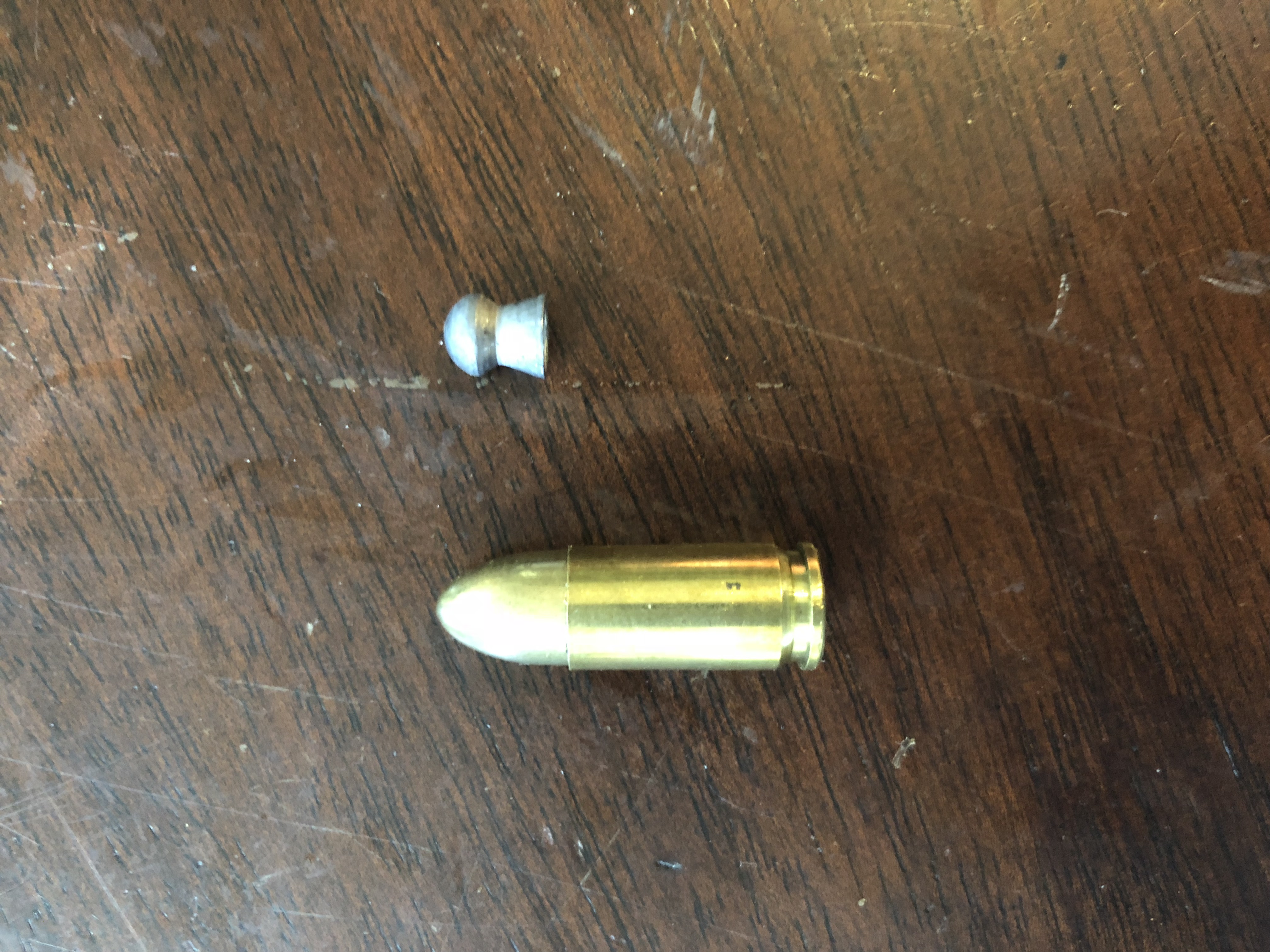
The most immediate financial benefit of buying a full case is the steep per-round price reduction, which occurs because retailers apply tiered discounts that reward higher volume. Prices are typically set in brackets—a box of 20 might cost $1.00 per round, but a 500-round case often 7.62x54R Ammo for Sale drops to $0.85, and a 1,000-round case can hit $0.75. This drop stems from fixed costs—packaging, shipping, and handling—being spread across more units, so the retailer’s margin stays intact while passing savings to you. The difference between 50-round packs and a full case frequently exceeds 15–25% per cartridge, making the case the only way to access wholesale-level pricing.
- Bulk pricing tiers reduce cost per unit by 10–30% versus individual boxes.
- Shipping weight is amortized across hundreds of rounds, lowering added fees per bullet.
- Manufacturer case discounts often apply only at full-case quantities, not partial boxes.
What the Real Savings Look Like Compared to Box-by-Box Shopping
Buying by the case cuts per-round cost by .17 WSM Ammo for Sale 10–20% versus individual boxes, but the real savings appear in shipping: one flat-rate case fee replaces multiple box-by-box delivery charges. For example, ten 20-round boxes each carry their own handling cost, while a single 200-round case pays one price, often saving $15–$30 per order. Bulk ammunition pricing also reduces price-per-round volatility, so you lock in a rate that stays stable across practice sessions. Additionally, fewer transactions mean fewer impulse add-ons at checkout. Compare two identical 500-round totals: box-by-box shopping yields 25 separate purchases with repeated taxes and fees, while one case order holds a single transaction—clear math in your favor.
What Exactly Comes Inside a Factory Ammo Case
When you buy ammo by the case, the factory case typically contains a rigid cardboard outer box, often with a manufacturer’s label listing caliber, lot number, and round count. Inside, the ammunition is usually packed in smaller inner boxes—commonly 20 or 50 rounds—made of thin cardstock or polymer trays. Some premium cases use foam or plastic insert trays that hold each cartridge in a fixed, individual slot to prevent movement and primer damage. The rounds themselves are sealed at the primer and case mouth with lacquer or waterproofing, though this is primarily for storage longevity rather than immediate firing reliability. A factory case will not include loose rounds, tools, or accessories unless explicitly labeled as a combo pack. The case is designed for dense, stackable shipping, not long-term range storage, so the inner boxes are typically non-reclosable. Moisture-barrier liners are sometimes present inside the main case, especially for bulk-packed or military-spec loads.

Common Case Sizes, Calibers, and Packaging Configurations You’ll Find
When buying ammo by the case, the most common case sizes are 500 or 1,000 rounds for pistol calibers like 9mm, .40 S&W, and .45 ACP, while rifle calibers such as .223/5.56, .308, and 6.5 Creedmoor typically ship in 200 or 500-round cases. Packaging configurations vary by manufacturer: loose-packed rounds in cardboard boxes, polymer trays of 50 for easy loading, or sealed military-style battle packs of 200 rounds. Ammo cans often hold two to four inner boxes, with each box containing 20 or 50 rounds. For bulk shooting, you will also find 1,000-round “value packs” in reusable plastic ammo boxes. Common case sizes and calibers dictate which packaging fits your storage and range routine, so confirm the per-box count and tray type before ordering.
- Check the caliber and case total (e.g., 500 or 1,000 rounds).
- Verify the inner packaging: loose, trayed, or boxed.
- Confirm the per-box round count (20, 50, or 200).
- Choose a case size that matches your ammo can or shelf space.
How to Check Lot Numbers and Headstamps for Consistency Across a Case

Before relying on a case of ammunition, verify that every box shares the same lot number, printed on the carton flap or end label. A mismatch indicates mixed production runs, which can alter pressure and velocity. Next, pull a sample cartridge from several boxes and inspect the headstamp consistency across the case—the brand, caliber, and any symbols must be identical, with no faint or off-center strikes. If lot numbers match but headstamps vary, the manufacturer may have used different component suppliers, so quarantine that case. Finally, compare primer sealant color, which often changes between lots. A uniform case ensures predictable ballistics.
Q: How do I check lot numbers and headstamps for consistency across a case?
A: Compare the lot number on each box’s label, then visually inspect 3–5 cartridges per box under good light, confirming the headstamp (e.g., “FC 9MM”) is identical in depth and alignment. Any deviation warrants returning the entire case.
How to Match a Bulk Purchase to Your Specific Firearm’s Needs
Matching a bulk case purchase to your specific firearm starts with the chambering stamped on the barrel, not the box label—so a 5.56 NATO case is fine for a .223 Remington rifle, but never the reverse. Check your owner’s manual for bullet weight and pressure ratings; a pistol-gassed AR might choke on heavy 77-grain loads, while a bolt gun will sing with them. Buy one box first, run it through your mags and action, and look for bolt override or feeding hiccups. Also verify the case’s primer type—some bulk deals are berdan-primed, which you can’t reload.
If your firearm has a tight match chamber, avoid steel-cased bulk ammo, as the lacquer can stick and cause stuck cases.
Finally, match the case’s grain to your twist rate—1:7 loves 62–77, 1:12 prefers 55—so your bulk case actually groups instead of just cycling.
Choosing the Right Bullet Weight and Grain for Your Rifle or Pistol
When buying ammo by the case, selecting the correct bullet grain for your firearm’s twist rate is non-negotiable for accuracy and reliable cycling. A 1:7 twist barrel stabilizes heavier 62–77 grain projectiles, while a 1:12 twist demands lighter 55 grain loads to prevent keyholing. For pistols, match grain to action type: 115 grain 9mm cycles most recoil springs optimally, whereas 147 grain subsonics require a suppressor-weight spring .17 HMR Ammo for Sale for consistent slide lock. Always test three grain weights—light, middle, and heavy—through your specific barrel before committing to a bulk case, as pressure variances alter point of impact. The table below summarizes typical cartridge-to-grain pairings for case purchases.
| Firearm Type | Recommended Grain Range | Primary Consideration |
|---|---|---|
| AR-15 (rifle, 5.56) | 55–77 gr | Twist rate (1:7–1:12) |
| 9mm pistol | 115–147 gr | Recoil spring tension |
| .308 bolt-action | 150–178 gr | Barrel length and velocity |
Selecting Between FMJ, Hollow Point, and Other Load Types in Case Quantities
When you buy ammo by the case, your load type dictates the entire purpose of that bulk investment. Selecting between FMJ, hollow point, and other load types in case quantities forces you to prioritize training volume over terminal performance. Full metal jacket rounds are the economic backbone for high-round-count practice, offering reliable feeding and barrel life without expanding on impact. Hollow points, however, demand a premium per round, so committing to 500 or 1,000 rounds means you are locking funds into defensive reliability—test a box first to confirm your firearm cycles them flawlessly before the case order. Other loads like soft points or frangible rounds only make sense if your specific platform—such as a lever-action or competition gun—requires them for reliable function or backstop safety.
- Confirm your firearm’s rifling twist 7.62×51 Ammo for Sale rate stabilizes heavier hollow points before bulk buying.
- Reserve FMJ cases for drills where expansion is irrelevant; keep hollow points for carry or home-defense magazines.
- Check your manual for pressure limits if selecting +P loads in case quantities to avoid accelerated wear.
Proper Storage Practices to Keep Your Case-Lot Ammo Reliable
To keep your case-lot ammo reliable, treat the entire sealed case as your primary moisture barrier until you break it open. Store the unopened factory case off concrete floors—use a pallet or shelf—because concrete wicks humidity and causes condensation on the cardboard, which can transfer to primers over long-term storage. Once you open a case, immediately redistribute the ammo into airtight, desiccant-packed ammo cans or heavy-duty mylar bags, sealing one layer of protection before moving the remaining loose rounds. Keep your storage area cool, below 70°F if possible, and at consistent humidity under 50%; temperature swings force moisture into the case and accelerate powder degradation. Rotate your case-lot stock by date—first in, first out—so you never rely on rounds that have sat through years of seasonal changes. Label every opened container with the purchase date and lot number for quick inspection. Even if the ammo looks clean, a faint discoloration on brass or a slightly loose primer is a warning that your storage environment let you down. Check stored cases every six months for rust, corrosion, or a vinegar-like powder smell, and replace damaged rounds immediately rather than mixing them back into your shooting supply.

Using Ammo Cans, Desiccants, and Climate Control to Prevent Corrosion
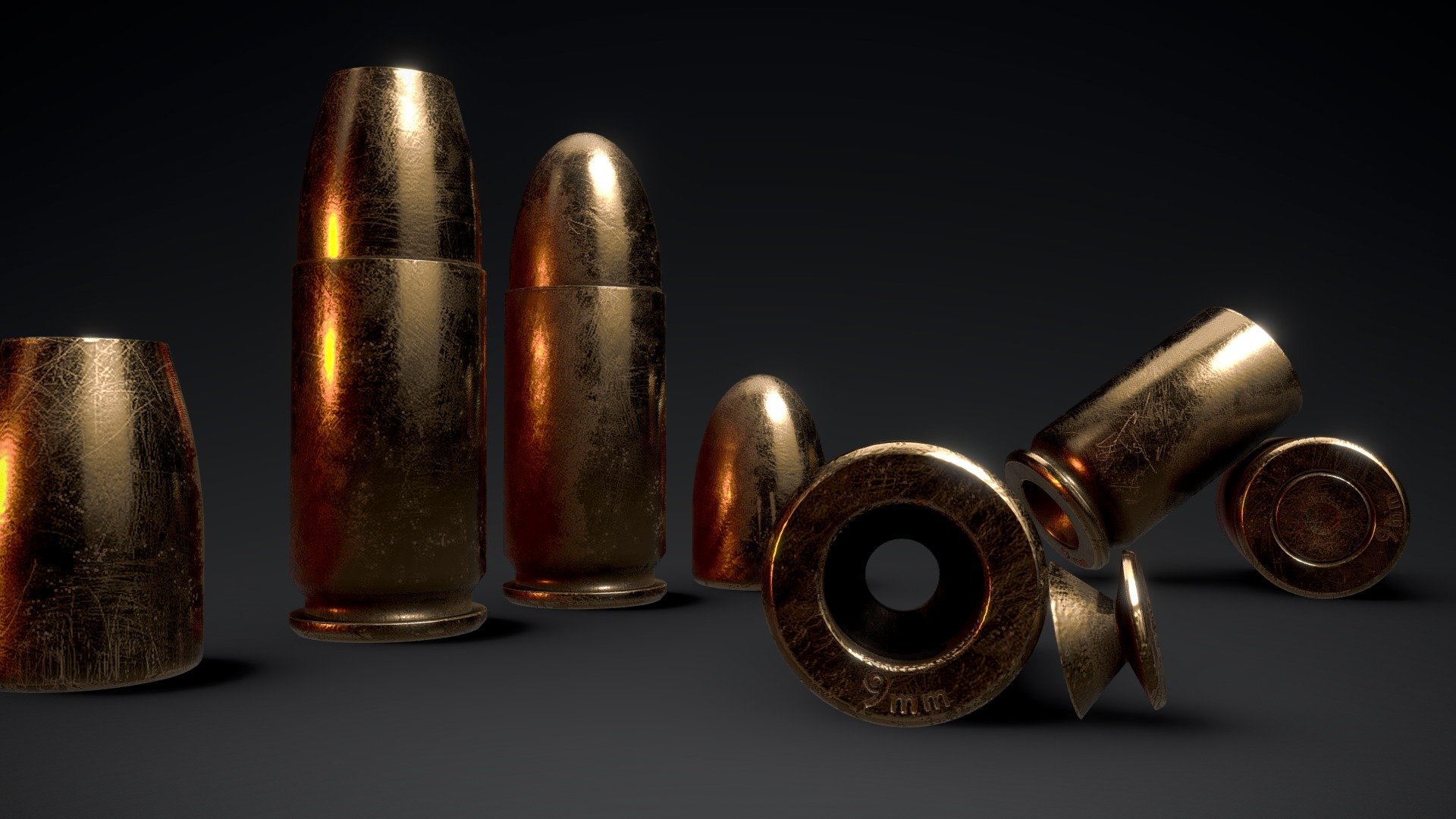
Sealing your case-lot purchase in military-grade ammo cans is your first defense, but moisture control inside those cans is what truly stops rust from forming on primers and casings. Toss in a few reusable silica gel desiccants—they actively absorb humidity that temperature swings can create inside a sealed box. For long-term storage, pair those desiccant packs with a climate-controlled room, keeping the ambient temperature below 70°F and relative humidity under 50%. This combination stops condensation from ever reaching your brass, preserving ignition reliability years down the line. Open cans Ammo Cans & Storage for Sale yearly to refresh desiccants and confirm no corrosion has started.
How to Rotate Your Stockpile to Ensure Fresh Primers and Powder
To ensure fresh primers and powder in case-lot ammo, adopt a strict first-in, first-out (FIFO) rotation system. When you purchase a new case, mark the acquisition date on the box and physically place it behind older stock, so the oldest rounds are always used first. Avoid simply topping off a partial case; instead, finish an entire case before breaking the seal on a new one, since opened cases expose remaining cartridges to air and humidity. Schedule a semi-annual inventory check, shifting any case approaching its two-year storage mark to the front for range use. For long-term reserves, consider using dated, clear storage bins and a simple log to track which case was opened last. This discipline ensures your stored primers and powder remain chemically 5.7x28mm Ammo for Sale stable, preventing misfires or inconsistent velocities when you finally need that ammunition.
- Always pull from the oldest case first, even if it means opening a lower-priority caliber.
- Write the purchase month and year directly on each case lid with a permanent marker.
- If you buy multiple cases specialty sports & supply of the same lot, rotate them by shifting the newest to the back of your shelf.
- Every six months, move any case older than 18 months to your “use now” zone.
Step-by-Step Guide to Breaking Down and Using a Large Ammo Order
Start by verifying the case’s seal and lot number against your invoice before opening, ensuring the batch matches your records. Break the case down into manageable, calibre-specific stacks of 50 or 100 rounds, using a sturdy tray or divider box to prevent rim damage and primer contact. Rotate your stock by placing the newest case at the back and pulling from the front, so you always use the oldest ammo first. For range trips, transfer only what you need into reusable magazines or small cans, keeping the rest sealed in the original case with desiccant packs. Label each partial container with the lot number and purchase date for quick identification. Q: Should you open all boxes at once? A: No—open only the boxes you plan to shoot within a month. This preserves the case’s moisture barrier and simplifies inventory tracking.
How to Distribute a Case Into Range Bags and Home Defense Stashes Efficiently
Start by dividing the case lot into two distinct piles: one for immediate training and one for defensive readiness. For each range bag, pre-load reusable polymer magazines or specific calibers into dedicated pouches, matching the exact firearms you will shoot that session—typically 100–200 rounds per handgun or 80–120 per rifle. Reserve a separate hard-sided container or locked drawer for home defense stashes, using factory-sealed boxes or loaded magazines with a confirmed feeding reliability test. Label each stash with an inventory date and lot number, then rotate older ammunition to the range first. Set a cap—no more than 10% of the case in any single defensive stash—to avoid moisture or theft concentration. This system keeps your range bags and home defense stashes efficiently stocked without cluttering your primary storage area.
Tracking Your Round Count and Knowing When to Reorder Before You Run Dry
Tracking your round count is the backbone of smart case-level purchasing. Instead of guessing, log every range session and training block against your case inventory. The moment you break below 40% of your original case total, that’s your trigger to reorder, because case availability shifts and shipping delays happen. Use a simple notebook or a reloading app to monitor draws; a minimum threshold prevents frantic, low-stock panic buys. Reorder before you run dry by establishing a buffer, then follow this sequence:
- Calculate rounds fired per month from your log.
- Subtract that from your current case count.
- Place your next case order when projected supply drops below two months’ worth.
That discipline keeps your ammo shelf stocked, not empty.
Answers to the Most Common Questions About Buying in Bulk
Buying ammo by the case answers the biggest bulk question: “How much do I actually save?” Typically, you cut per-round costs by 10–20% versus boxes, but the real win is locking in a consistent lot number for identical ballistics. Another common ask—”Will it go bad?”—is solved by storing cases in a cool, dry place; sealed factory packaging keeps primers and powder stable for decades. What about shipping weight? A case of 1,000 rounds of 9mm runs roughly 28 pounds, so factor that into your doorstep delivery plan. Lastly, don’t ask “Should I buy a full case?”—ask “Can I rotate stock?” Use the oldest case first during range trips, then replenish. That cycle keeps your inventory fresh and your per-shot wallet happy.
Is It Worth Buying a Full Case of Defensive Ammunition or Just Practice Rounds
When buying by the case, splitting your order between defensive ammo and practice rounds is usually smarter than going all-in on one type. A full case of defensive ammunition for carry use makes sense only if you rotate stock regularly, since carry ammo can lose reliability over years of storage. Practice rounds are cheaper, so you’ll shoot more often and build muscle memory. A practical ratio is one case of defensive rounds for every five cases of practice ammo. That way, you verify your gun feeds the defensive loads reliably, then train with affordable ball ammo. Full cases of defensive ammo alone 7.62×39 Ammo for Sale are overkill unless you burn through them annually in drills.
Can You Mix an Order to Create a Custom Case, and How Does That Work
Yes, you can mix an order to create a custom case, and most bulk retailers build this directly into their pricing structure. Instead of being locked into 500 rounds of a single load, you select different calibers, bullet weights, or grain types, and the vendor assembles them into one sealed case for shipment. Custom case mixing works best when you stick to the same cartridge family, since rim dimensions and packaging trays often differ between calibers. The per-round price usually holds as long as your total quantity meets the case threshold, but verify that before checkout. This approach lets you test multiple loads for one gun, or split a case between two shooters without paying premium single-box rates.
- Confirm the minimum total round count—usually 200 to 500—across all mixed SKUs.
- Request separate packaging 5.56 Ammo for Sale within the case if you need distinct loads for different firearms.
- Ask whether the custom case still ships in factory-sealed ammo boxes or loose-packed.